
The complete guide
How To Choose A Freestanding Wine Rack That Actually Fits Your Home
The problem with keeping wine at home
Wine collects quietly. You buy two bottles for dinner, somebody brings one over, a case arrives from a vineyard trip, and suddenly there are nine bottles in the house with nowhere to live. They end up on the floor of the pantry, lined along the back of a counter, or lying in a cupboard where they roll forward every time the door opens.
None of that is great for the wine, and none of it looks good. Bottles on a sunny counter warm up and age badly. Bottles standing upright for months let the cork dry out and shrink, which is how air gets in. Bottles in a dark cupboard get forgotten until you find a five-year-old white you meant to drink in summer.
A proper rack solves three problems at once. It keeps bottles horizontal, it keeps them in one place where you can see them, and it stops them taking over surfaces you need for other things.
How a freestanding rack works
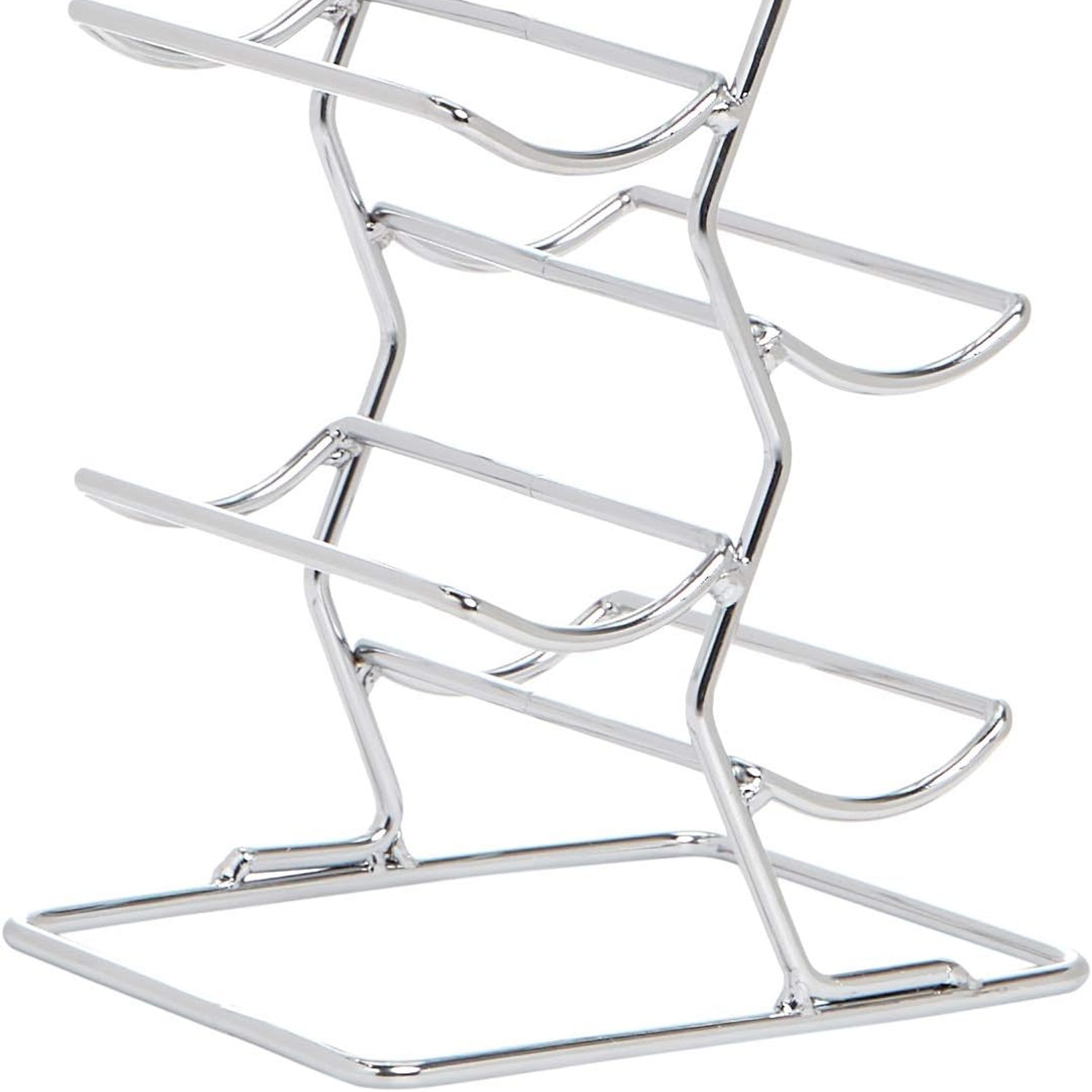
A freestanding wine rack is exactly what it sounds like. It sits on the floor, holds itself up, and needs no fixings, no wall anchors and no cabinet to live in. You put it down where you want it and fill it.
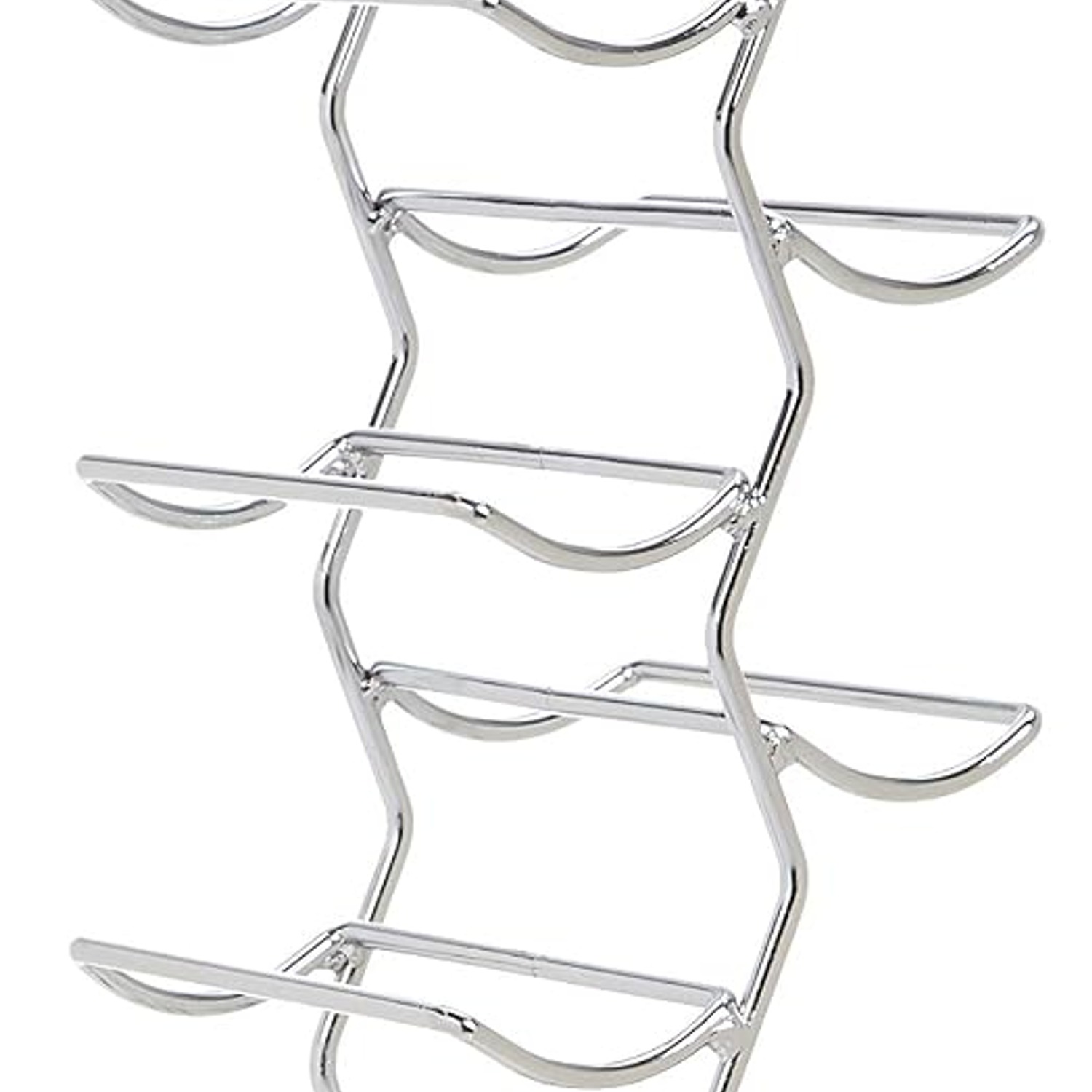
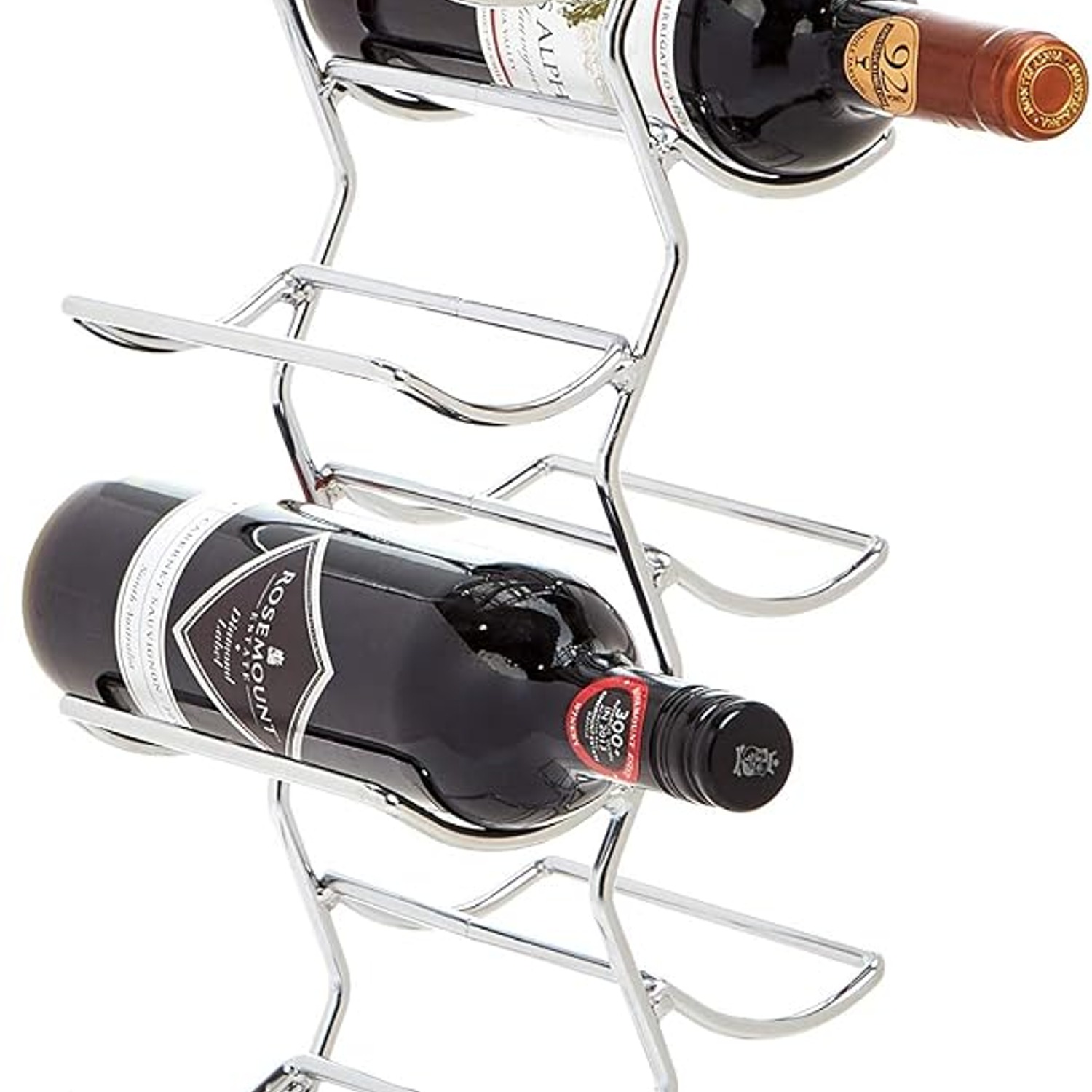
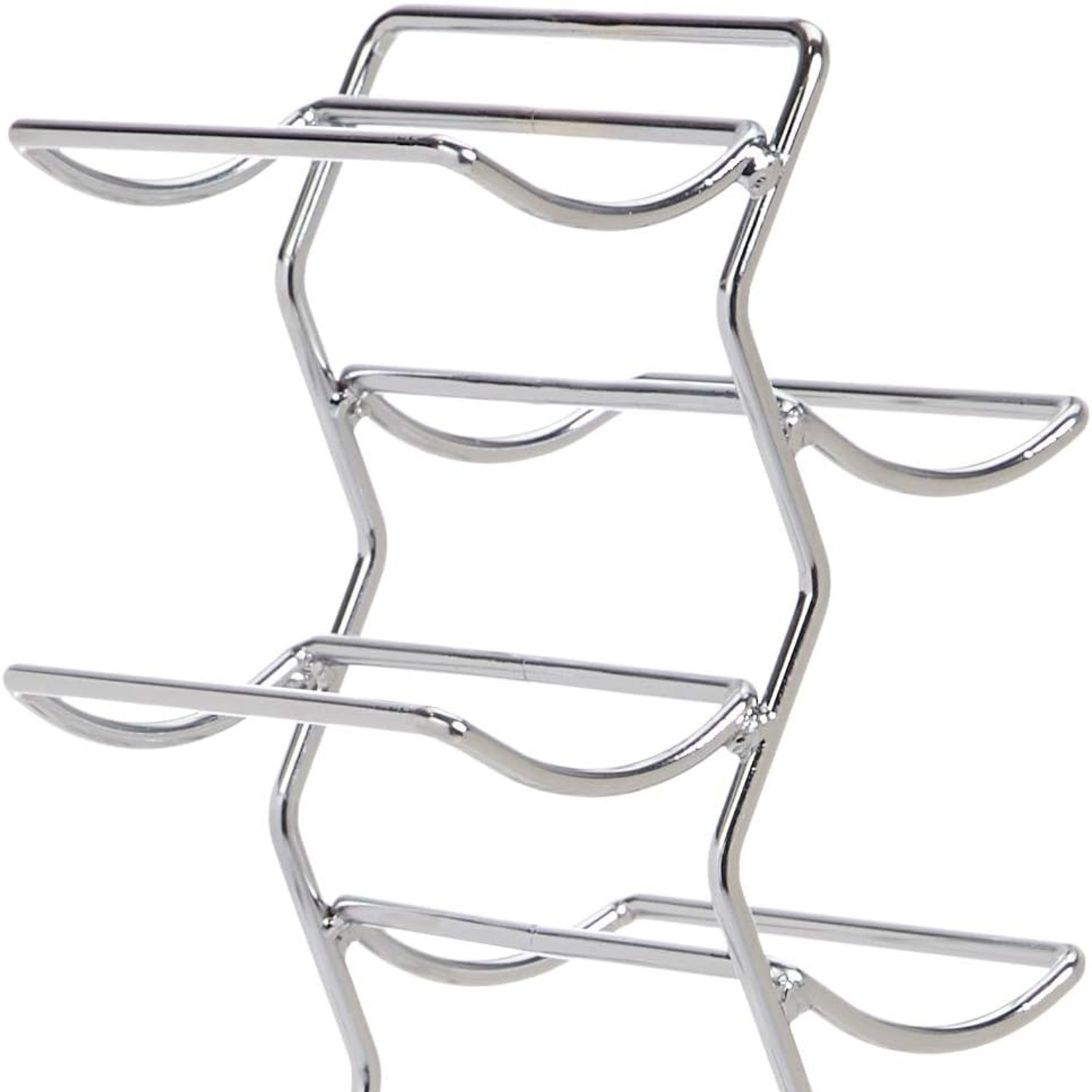
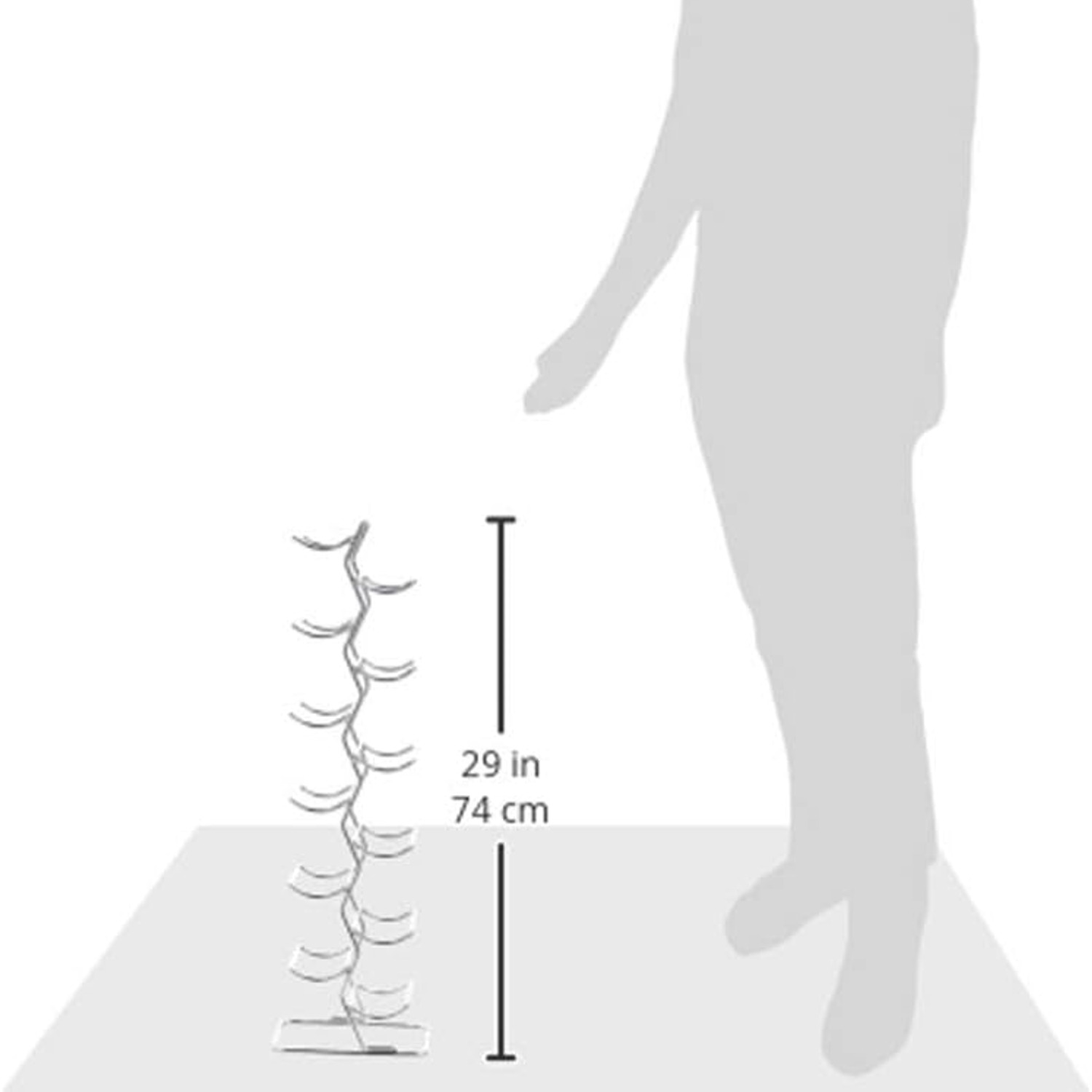
This model is a tall, narrow frame with twelve slots, each sized for a bottle lying on its side. It measures 17 cm deep, 21 cm wide and 69.9 cm tall, and weighs 2.24 kg empty. Loading from the bottom up keeps the center of gravity low, which is the sensible habit with any upright rack.
Horizontal storage is the main point of the design. Wine under cork needs contact between the liquid and the cork so the cork stays swollen and airtight. Lay the bottle down and that happens automatically. Stand it up for long enough and the cork dries, shrinks, and lets oxygen past. Screw caps do not care either way, but they store happily on their side too, so you can mix the two without thinking about it.
The open frame has a second benefit people often overlook. Every label faces out and stays readable. You are not hauling five bottles off a shelf to check which one is the Shiraz.
Who this suits
Apartment dwellers are the obvious group. Wine storage for apartments usually means finding 20 to 30 cm of unused floor somewhere, and this rack is built for exactly that kind of gap. A slim wine rack for kitchen use fits beside the fridge, at the end of a counter run, or in the narrow strip between a cabinet and a doorway.
It also works for people who are not collectors at all. Twelve bottles is a realistic household number. It covers a few reds for weeknights, a couple of whites in reserve, a bottle of fizz for whenever, and some gifts waiting to be given away. If you are storing hundreds of bottles you need a cellar, not a rack. If you are storing eight to twelve, this is the right size.
Home bars and dining rooms suit it too. The chrome finish and modern shape make it more of a display piece than a storage box, so it earns its place in a room people actually sit in.
Choosing the right rack
Start with the measurement, not the look. The number that matters most is width. A tall wine rack is useless if it is 10 cm too wide for the gap. Measure the space, check for baseboards that stop the rack sitting flush to the wall, and allow a little room on each side so bottles can go in and out without scraping.
Then think about capacity honestly. People overbuy here. Count the bottles you have in the house right now, add a few, and buy for that. An overfull rack looks cluttered and a half-empty one looks sad, so matching capacity to habit is better than buying for a collection you have not started.
Material and finish come third. Chrome is a safe pick because it is neutral. It sits comfortably next to stainless appliances, works against timber and stone, and does not force a style on the room. A modern metal wine rack is far easier to live with than a heavily styled timber unit if your furniture changes over time.
Assembly is worth checking as well. This one requires none, which saves you an evening with an allen key. Flat-pack racks are cheaper to ship but rarely as rigid once built.
Finally, think about where the rack will actually stand. Heat, light and vibration are the three things that age wine badly. Avoid the top of the fridge, the space beside the oven, and any window that catches afternoon sun. A cool, shaded corner is worth more to your wine than any feature on the rack itself.
Looking after it
Care is simple and takes a minute. Wipe the frame with a soft damp cloth, then dry it off so water does not leave spots on the chrome. Skip scouring pads, abrasive powders and strong solvents, because those dull a plated finish permanently and there is no fixing it afterwards.
Lift bottles rather than dragging them across the arms. Dragging is how fine scratches build up over a couple of years. If a bottle leaks or a cork weeps, clean it up straight away rather than letting it dry on the metal.
Check now and then that the rack still sits level. Floors move, rugs bunch up, and a rack that leans slightly today leans more once it is full. A quick nudge is usually all it takes.
Do not go past twelve bottles. Stacking extras on the top or wedging a thirteenth into a slot puts load where the frame was not designed to carry it.
Getting the most from twelve slots
A small bit of organization makes a twelve-bottle rack behave like a bigger one. Put the bottles you will drink soonest at eye level and the ones you are saving lower down. Keep sparkling together, since those bottles are usually wider and awkward to slot in between standard shapes.
If you buy by the case, resist filling every slot with the same wine. Six identical bottles in a twelve-slot rack means you really have a six-bottle rack with a storage problem. Spread a case between the rack and a box in the cupboard, and rotate as you drink.
Keep a rough mental note of what is in there. Twelve is few enough to remember, which is the quiet advantage of right-sized kitchen wine bottle storage over a cellar you never audit.
The short version
This is a slim, tall rack that holds twelve bottles on their sides, stands 69.9 cm high in a footprint of 17 by 21 cm, weighs 2.24 kg empty, and needs no assembly. The chrome finish is neutral enough to suit most rooms and cleans with a damp cloth.
It suits people with a handful of bottles and nowhere sensible to keep them, especially in apartments and kitchens where floor space is tight. It is not a cellar and does not pretend to be. For everyday wine bottle storage that keeps corks healthy and labels visible, it does the job without taking over the room.
Measure your gap first. Everything else about this one is easy.