
The complete guide
How to Choose and Fit an Under-Cabinet Wine Glass Rack
The problem with storing stemware
Wine glasses are badly behaved objects. They are tall, wide at the top, fragile at the stem, and they refuse to stack. Put them in a cupboard and they take up a whole shelf while leaving dead air above them. Leave them on the counter and they collect dust in the bowl and get knocked by everything else that happens in a kitchen. Put them in a box in the garage and you never use them.
Most homes end up with a compromise. The everyday glasses sit out, the good ones hide away, and nobody is particularly happy about either arrangement.
A hanging rack fixes this by using space that was already there and doing nothing. The underside of a kitchen cabinet is usually a blank surface with 40 to 50 centimeters of clear air beneath it. Hang your stemware there and the glasses are visible, reachable, protected from dust, and completely out of the way of chopping boards and kettles.
How a hanging rail actually works
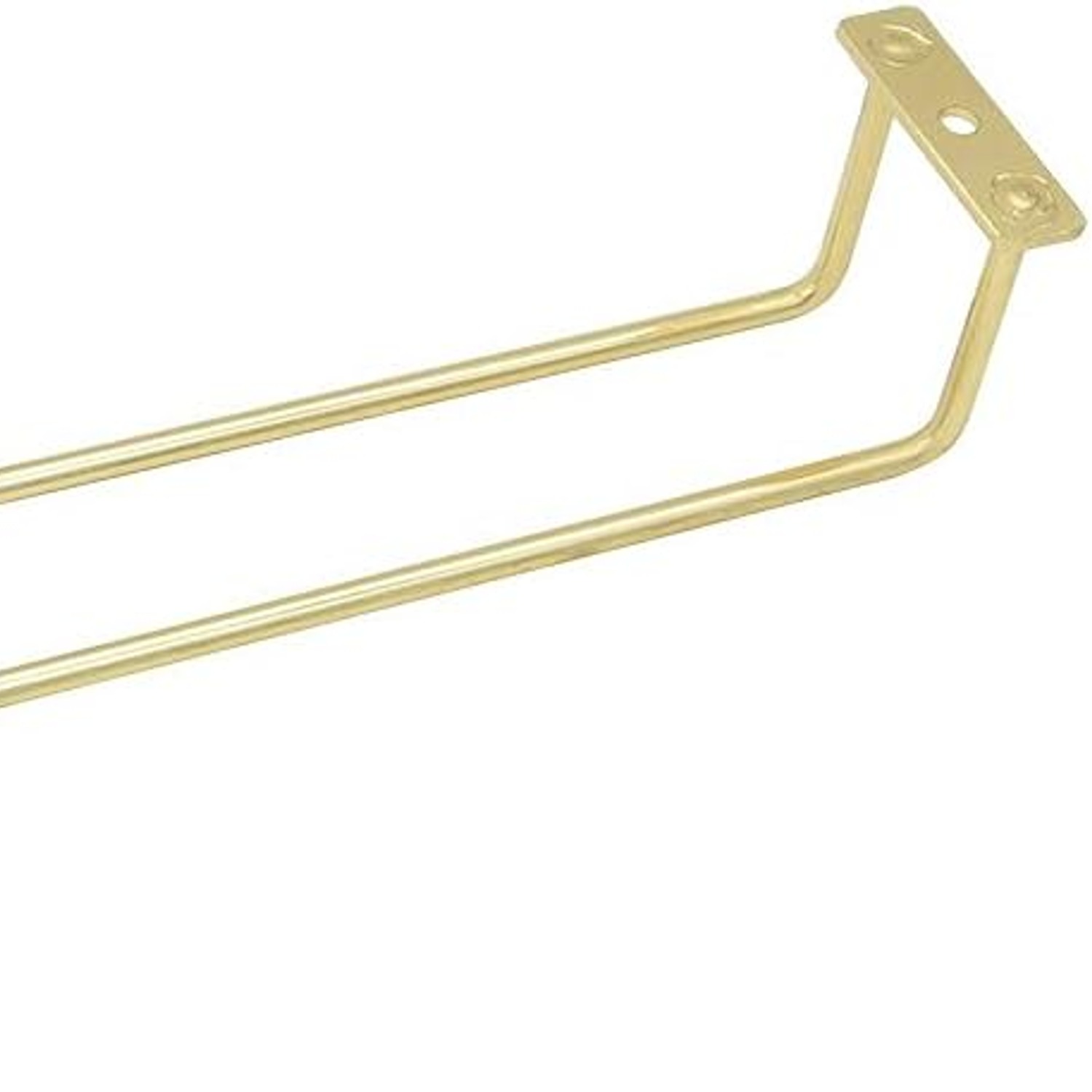
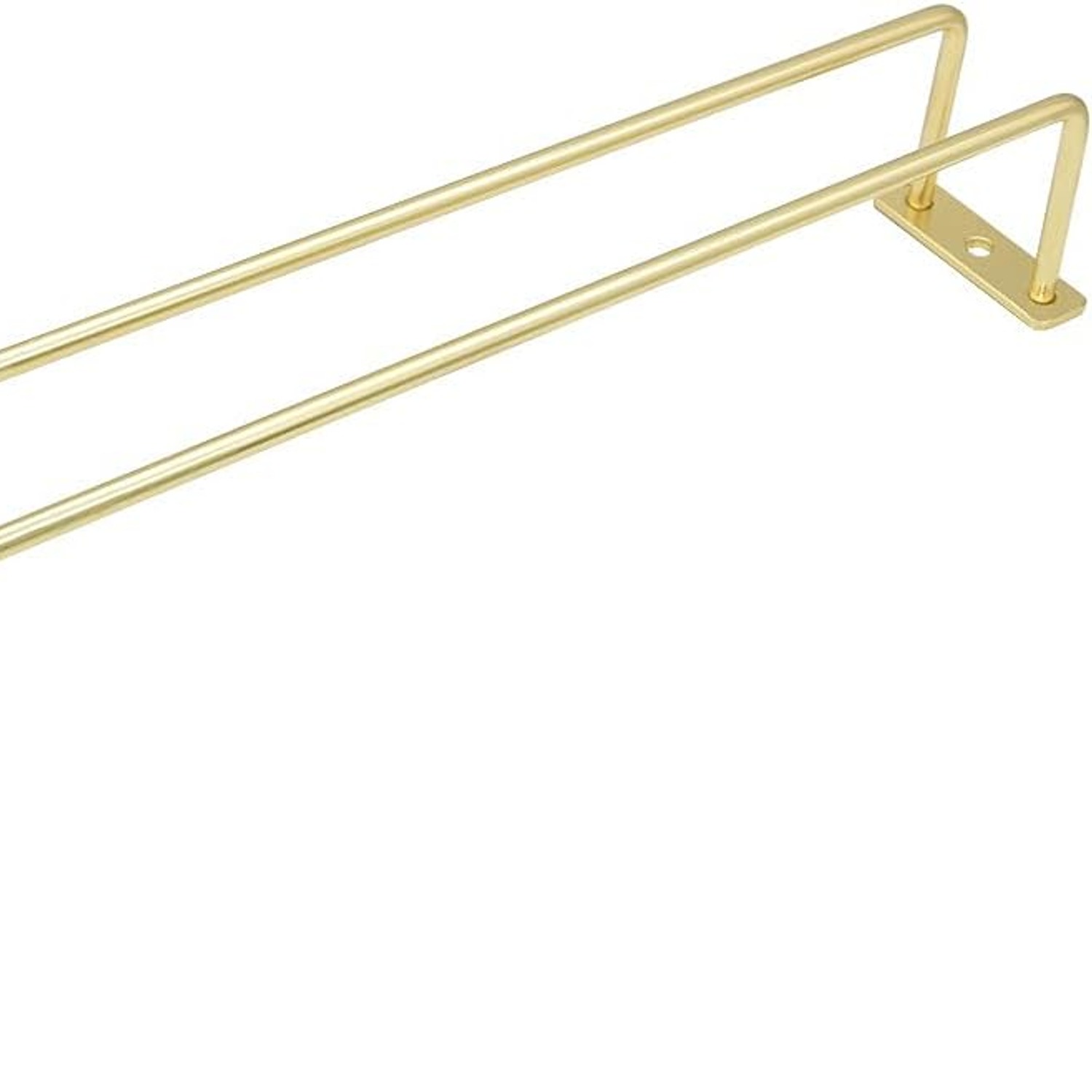
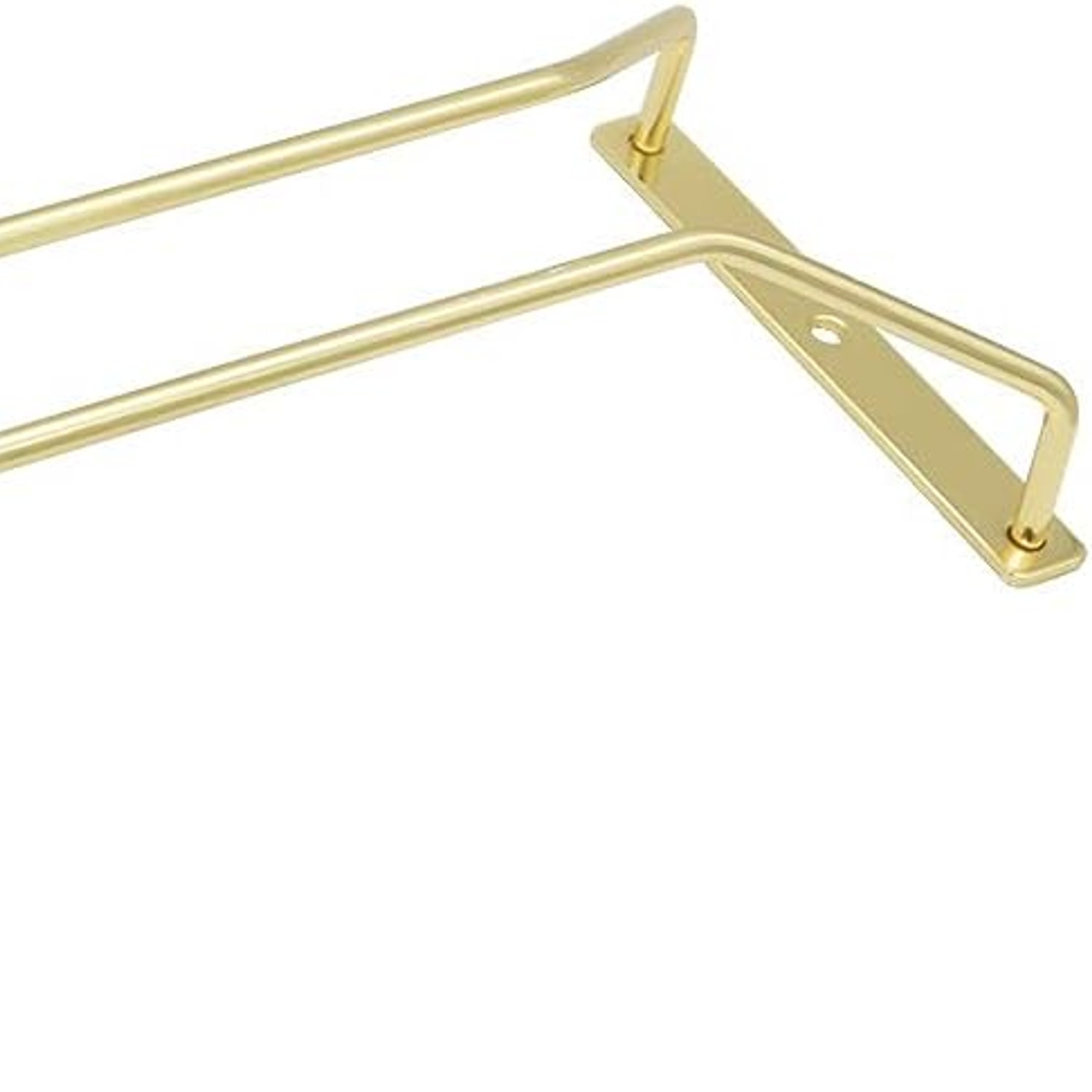
The principle is simple. The rail has a channel running along its length. The foot of a wine glass slides into that channel, the stem passes through the gap, and the bowl hangs below. Gravity does the rest.
This is the same method used in bars and restaurants, and it is used there for good reasons. Hanging by the foot loads the glass at its thickest, strongest point. The bowl, which is the fragile part, never touches anything. Water drains out instead of pooling in the base, so glasses dry properly without water spots. And because the bowls face down, dust settles on the outside where a quick rinse removes it, rather than inside where it needs a proper wash.
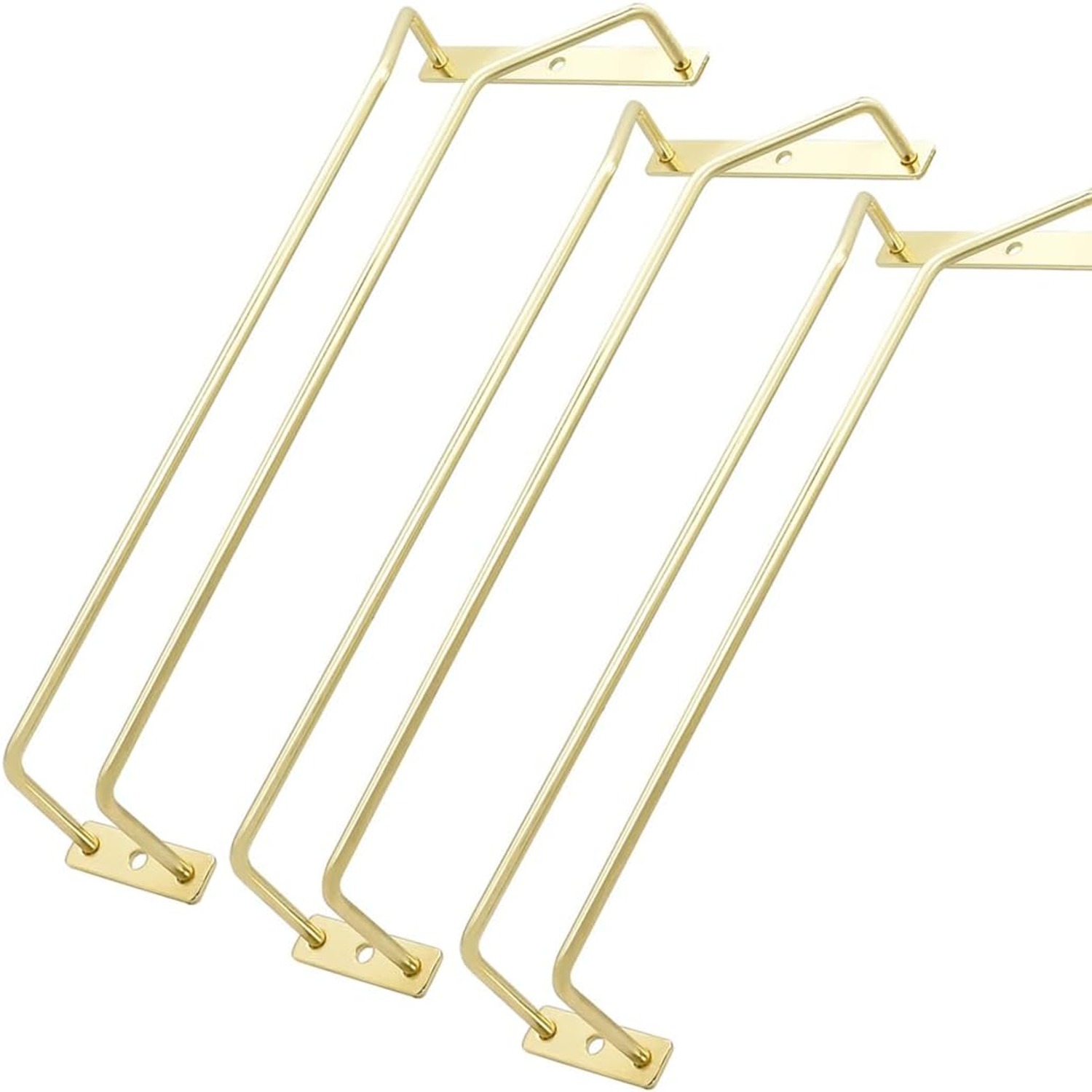
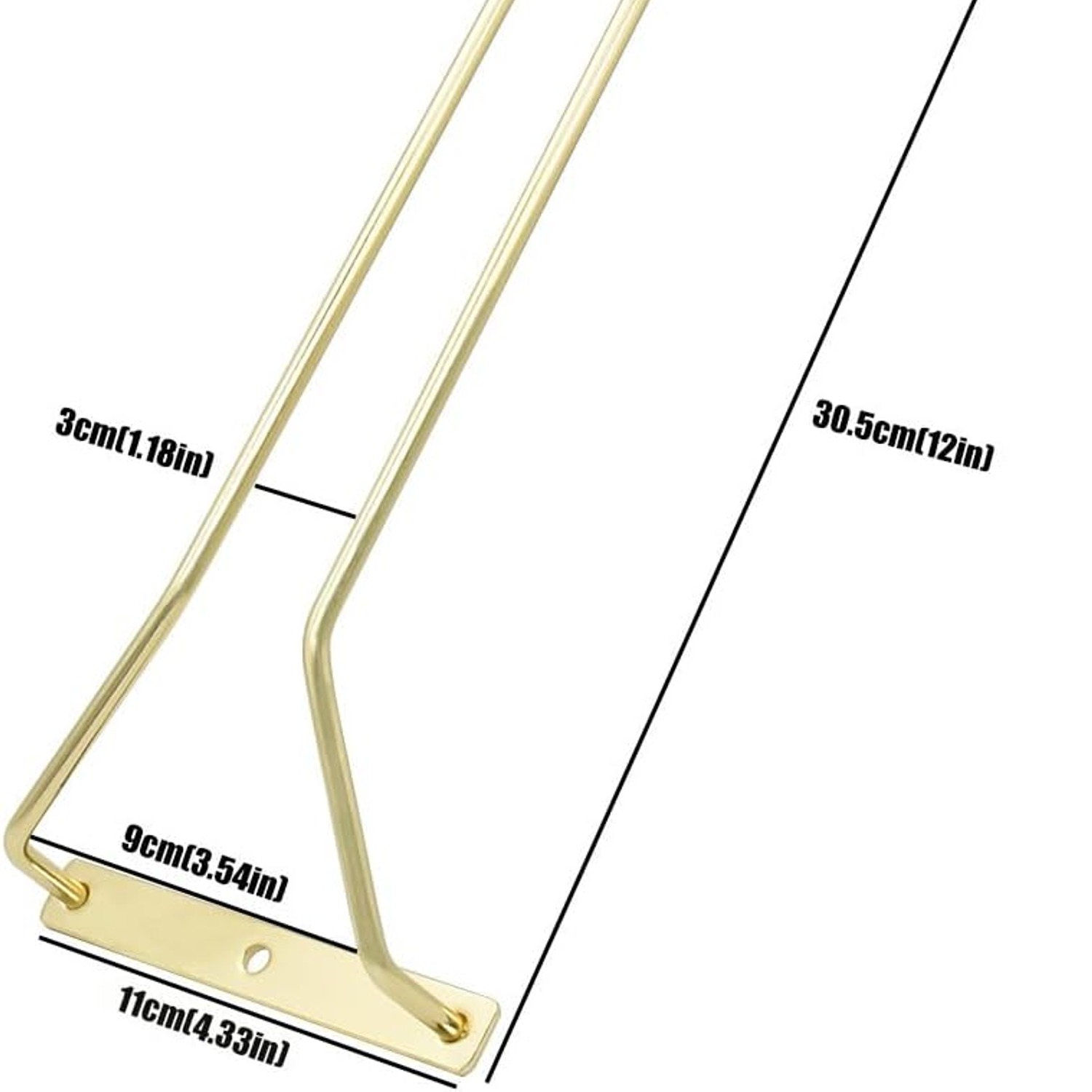
This particular rack gives you three rails, each 30.5cm deep, 10.8cm wide and 5.1cm high. Each one is a single row. The three-pack gives you flexibility that a single long rail does not. You can line them up for one continuous bank of glasses, or scatter them across different parts of the house.
Working out if it fits your space
Before you order anything, do two measurements. They take about a minute and they save a lot of frustration.
First, measure the depth of your cabinet underside, front to back. The rail runs 30.5cm in that direction. If your cabinet is 35cm deep you have room to spare. If it is only 28cm, the rail will overhang slightly at the front, which may or may not bother you visually.
Second, measure your tallest wine glass from the bottom of the foot to the rim. Add 5.1cm for the rail itself. That total is how much vertical clearance you need between the cabinet underside and whatever sits below. A big burgundy glass can be over 22cm tall, so with the rail you are looking at close to 28cm of clear space. Most kitchens have that between the upper cabinets and the counter, but it is worth checking rather than assuming.
The third thing to consider is width. The rail is 10.8cm wide, and each one holds a single row. If you plan to run all three side by side, you will want roughly 35 to 40cm of cabinet width to space them comfortably with a small gap between rows so the bowls do not clink.
Fitting it without stress
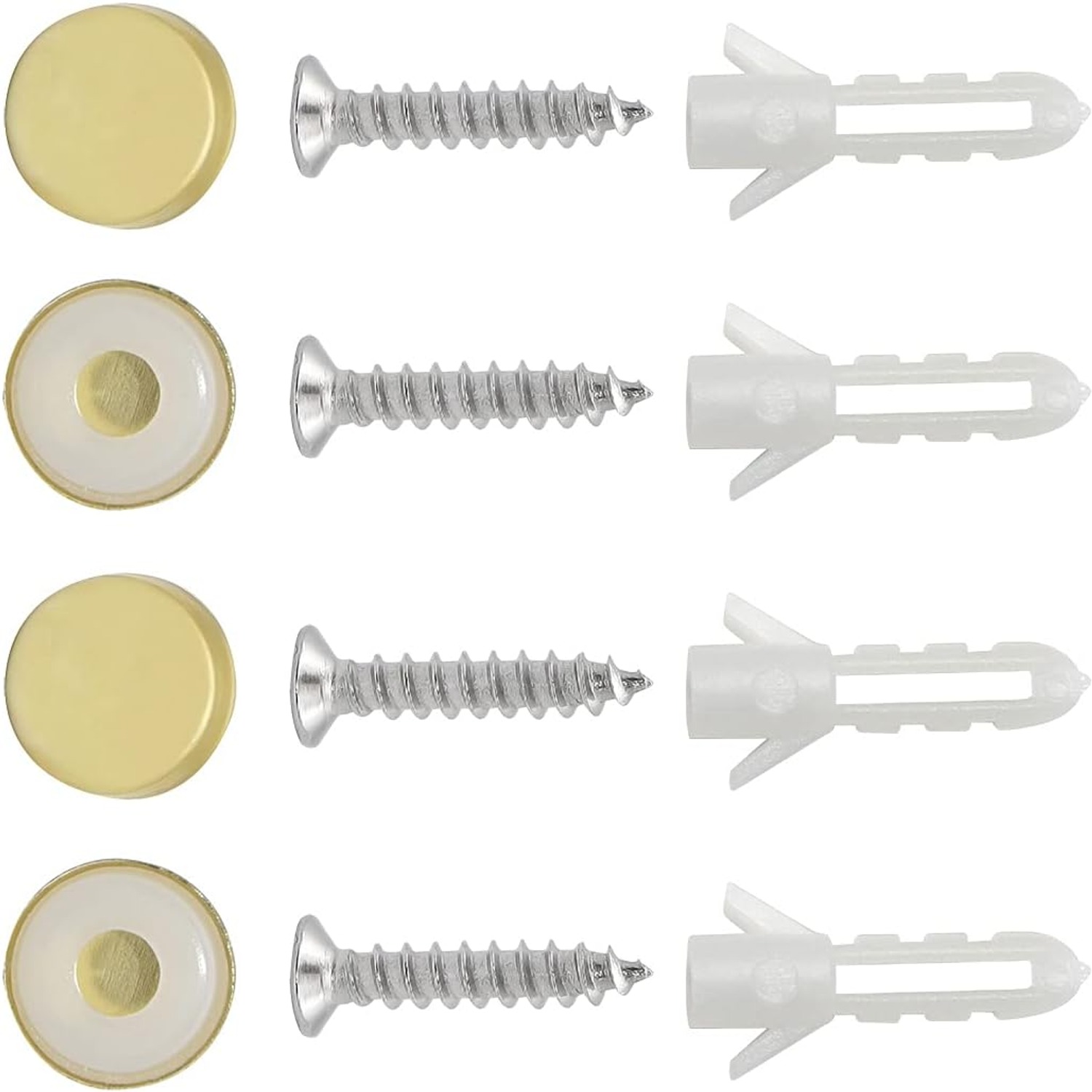
The six supplied screws go up into the underside of the cabinet with a screwdriver. That is the whole method. There is no track, no rail system, no bracket assembly.
A few things make the job neater. Mark your screw positions with a pencil first, and use a ruler so the rail sits parallel to the cabinet edge rather than at a slight angle that will annoy you forever. If you are mounting multiple rails, mark all of them before driving a single screw, so the spacing stays even.
Pilot holes are optional but worthwhile. A small drill bit, narrower than the screw shank, run only a centimeter or so deep, stops any chance of splitting thinner cabinet material and makes the screws drive in straight. Go shallow. You do not want to come out the other side into the cupboard.
Check what the cabinet underside is actually made of. Solid timber and good-quality plywood take screws beautifully. Thin laminate over hollow board is a different story, and in that case you may want different fixings rated for that material. A quick tap with a knuckle usually tells you whether there is solid material behind the surface.
Once it is up, load it gradually. Hang one glass, check it seats properly in the channel, then add the rest. If a particular glass has an unusually thick or thin foot it may not sit well, and better to find out with one glass than with six.
Who this suits
If you own more than four wine glasses and your kitchen is not enormous, a hanging rack earns its place. It is particularly good for small flats, where every shelf is already spoken for and the space under the cabinets is genuinely wasted.
It also suits anyone building a home bar. A row of hanging stemware above a drinks trolley or a sideboard does more for the look of a bar setup than almost anything else you can add. The brushed gold finish reads as deliberate rather than purely functional, which matters when the rack is at eye height in a living space.
Renters should check the lease, but the holes left behind are small and easy to fill. Many people find this a workable option precisely because it is reversible.
It is not the right answer if you mainly drink from stemless glasses, since there is no foot to slide into the channel. It is also not suited to outdoor kitchens, as the product is listed for indoor use only.
Keeping it looking good
Brushed metal is forgiving. It hides fingerprints better than polished finishes and does not need constant attention. A wipe with a soft damp cloth every few weeks, followed by a dry cloth, keeps it even.
What you want to avoid is abrasives. Scouring pads, cream cleansers and bleach-based sprays can dull or scratch a brushed surface, and once that happens it does not come back. Gentle soap and water is plenty.
Dry your glasses before hanging them, or at least let them drain properly. Standing moisture against metal is never ideal over the long run.
Every few months, give the screws a quick check. Cabinet doors slam, kitchens get humid, and fixings occasionally work loose. A quarter-turn with a screwdriver takes seconds and prevents a much worse morning.
The short version
This is a three-pack of 30.5cm brushed gold rails that screw under a cabinet and hold wine glasses by the foot. Each rail is 30.5cm deep, 10.8cm wide and 5.1cm high, made from alloy steel, and the set weighs 454 grams. Six screws come in the box, a screwdriver does the job, and the whole thing is designed for indoor use.
Measure your cabinet depth and your tallest glass before you order. Mark your positions carefully. Then enjoy having a shelf back and a kitchen that looks like somebody thought about it.